




You are eating normally, you have no headaches, no dizziness, nothing about your body feels out of the ordinary — could you still have high cholesterol?
Yes.
High blood fats, and high cholesterol in particular, often cause no obvious symptoms. Many people only find out when they have a blood test during a routine health check-up. The CDC says the way to know whether your cholesterol is high is to have a blood test.
So do not wait until your body “speaks up” before you get checked.
What is high cholesterol?
“Blood fats” is the familiar name for the fats circulating in your blood.
A blood lipid panel usually includes:
- Total Cholesterol: total cholesterol
- LDL-C: often called “bad” cholesterol
- HDL-C: often called “good” cholesterol
- Triglycerides: a type of fat in the blood
A raised LDL level can contribute to plaque building up in the arteries. Over time, this can increase the risk of cardiovascular disease and stroke.
However, you should not look at a single figure on its own and draw your own conclusions about your health.
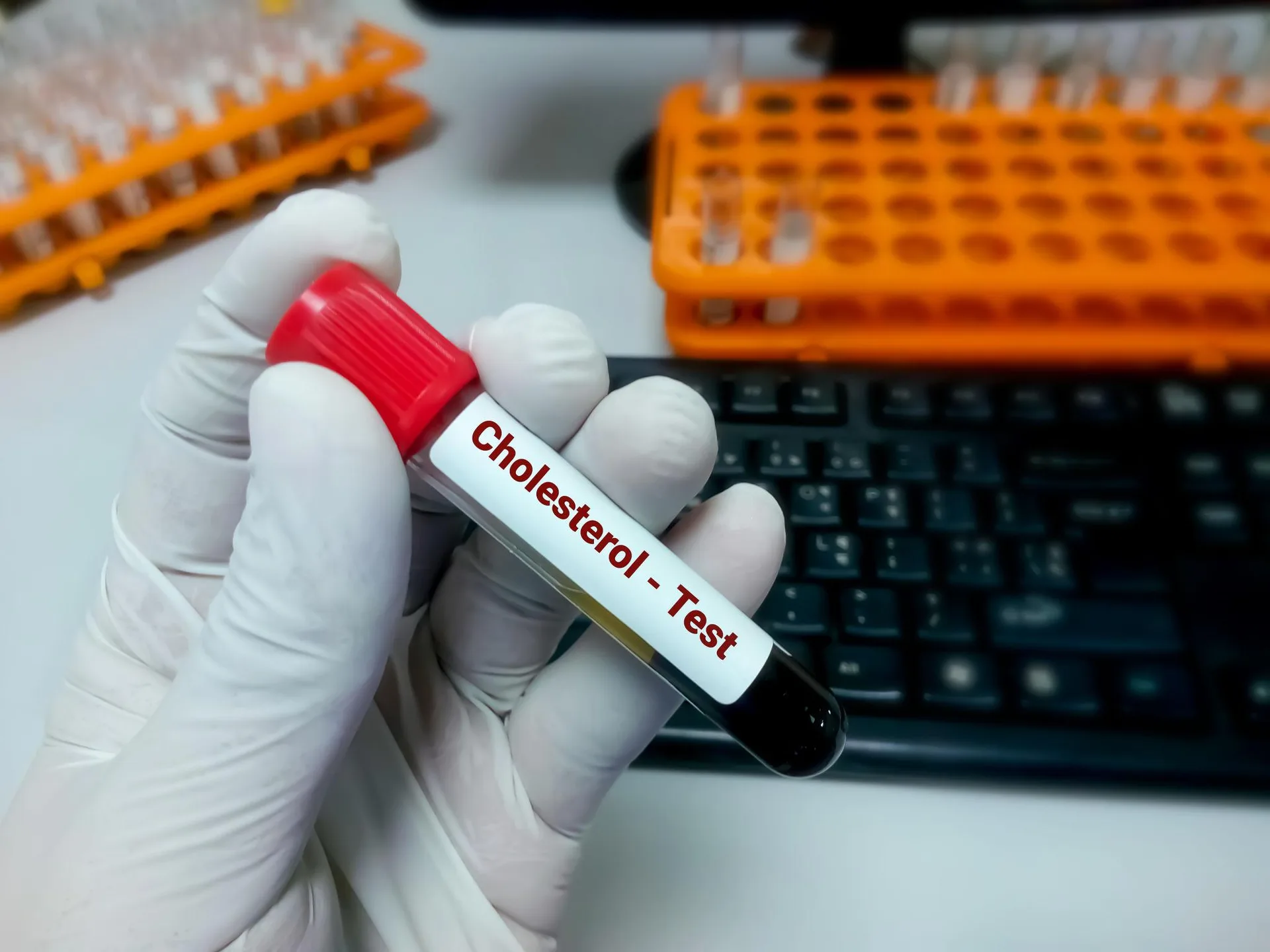
When should you have a blood lipid test?
1. You have never had your cholesterol checked
If you are an adult and cannot remember the last time you had a blood lipid test, that is a sensible reason to have one at your next health check-up.
The CDC recommends that cholesterol checks begin early, not only once you reach middle age.
2. You have a family history of high cholesterol or cardiovascular disease
If a parent or a sibling has high cholesterol, coronary artery disease, a heart attack or a stroke, take the initiative and discuss it with your doctor.
Some people can have high cholesterol linked to genetic factors even when they are young and lead a relatively healthy lifestyle.
3. You have diabetes or high blood pressure
Blood fats, blood sugar and blood pressure are all factors doctors tend to look at together when assessing cardiovascular risk.
People with diabetes or cardiovascular disease usually need their cholesterol checked more often than people at low risk.
4. You are inactive, you smoke or you are putting on weight
Sitting for long periods, taking little exercise, smoking and an unbalanced diet can all contribute to a higher risk of dyslipidaemia.
You do not need to wait until you have gained a lot of weight before being tested.
What matters more is the overall picture: lifestyle + history + test results.
5. Your previous results were abnormal
If your LDL or triglycerides were high at your last test, your doctor may suggest a repeat check after a suitable interval to assess:
- Have the figures improved?
- Are the changes to your diet and exercise working?
- Is treatment or further monitoring needed?
Do not have one test and then forget about the result.
How often should you have a blood lipid test?
There is no single schedule that suits everyone.
According to the CDC, most healthy adults can have their cholesterol checked about every 4–6 years. People with cardiovascular disease, diabetes or a family history of high cholesterol may need to be checked more often.
How often you actually need testing also depends on:
- Age
- Previous test results
- Family history
- Blood pressure
- Blood sugar
- Smoking
- Underlying conditions
- Medicines you are taking
So testing every year is not automatically better. What matters is being tested in line with your own level of risk.
How can you make sense of your blood lipid results?
When you get your results, you can start with the four main figures.
LDL-C
LDL is often called “bad” cholesterol.
An LDL level that is too high can contribute to cholesterol building up in the artery walls. However, the target LDL level is not the same for everyone. People at high cardiovascular risk may need a lower target than people at low risk.
HDL-C
HDL is often called “good” cholesterol because it helps carry cholesterol out of the blood.
But do not look at a high HDL and assume the other figures do not matter.
Triglycerides
Triglycerides are a form of fat in the blood.
High triglycerides also often cause no obvious symptoms and are picked up through testing.
Total cholesterol
Total cholesterol gives an overall view, but it should not be used on its own to assess cardiovascular risk.
Doctors usually look at the results alongside your age, blood pressure, family history, smoking, diabetes and other factors.
What if your blood lipid results are high?
First: do not panic, and do not buy medication and start taking it on your own.
One abnormal result does not tell you your full level of risk.
Your doctor may also assess:
- Your LDL, HDL and triglyceride levels
- Blood pressure
- Blood sugar
- Weight
- Family history
- Smoking status
- Existing cardiovascular disease or other underlying conditions
Depending on your level of risk, the approach may include changes to your diet, more exercise, weight management or medication where it is indicated.
High cholesterol does not hurt, but that does not mean it can be ignored
The easiest thing to miss about high cholesterol is this: you may not feel anything at all.
So instead of trying to spot “symptoms of high cholesterol”, focus on:
- Knowing your own risk factors
- Having your cholesterol checked at the right time
- Keeping your results from one test to the next
- Talking to your doctor if a figure is abnormal
Finding it early gives you the chance to make changes before your cardiovascular risk rises over time.
Book tests and health check-ups on Halza
Through Halza, you can:
- Browse test and health check-up packages at partner hospitals and clinics
- Compare what each one includes before choosing
- Book an appointment that fits your own schedule
- Store your results in your health record
- Track your figures across repeat tests
You do not need to wait for symptoms before you start checking your blood fats. A simple test can help you understand your own health risks more clearly.
The information in this article is for reference only and does not replace the advice, diagnosis or treatment of a doctor. How often you are tested and what your cholesterol targets should be need to be tailored to your own health.
Frequently asked questions
What are the symptoms of high cholesterol?
In most cases, high cholesterol has no specific symptoms. You may feel perfectly well even when your figures are already above the appropriate level.
This is also why regular testing matters.
Can thin people have high cholesterol?
Yes.
Weight is only one of many factors that affect your risk. Genetics, diet, activity level, smoking, age, diabetes and a number of other conditions can also play a part.
So “I am thin, so I probably do not have high cholesterol” is a fairly common misconception.
Do you need to fast for a blood lipid test?
Not always.
Depending on the type of test and what is being checked, the clinic may ask you to fast for about 8–12 hours. Ask the place carrying out the test beforehand rather than fasting on your own initiative.
References
- CDC – Testing for Cholesterol
- MedlinePlus – Cholesterol Levels
- MedlinePlus – Cholesterol Levels: What You Need to Know
- MedlinePlus – Triglycerides Test
 Back to all articles


